





Our director, Rick, recently spoke to PRMoment about why earned media is on the up, despite continued pressure on marketing budgets and how AI is changing the way people discover information.
Here’s a little more on why there is renewed optimism around earned media and why credible storytelling still matters. There was plenty more to the conversation that didn’t make the final cut, so here are a few more thoughts on what we’re seeing across the built environment and construction sectors, specifically.
TL;DR: the changing role of trade media, the types of briefs coming through, and where budgets are being put to work.
If you’re a curious construction marketer, we’d suggest you read on.
Earned media is still a point of truth
“Earned media is still a point of truth for many audiences. It provides an independent validation that brand-owned content cannot, and is important within specialist trade media. Trade publications have authority and credibility among those making purchasing and specification decisions. This is still true in the construction sector.
“There is also research to support earned media boosting AI visibility as well as traditional search visibility. There’s no exact figures on procurement and the value of AI visibility for building products manufacturers, although having a first mover advantage can only be a good thing. Businesses that continue to build their brand and reiterate their key messages will win over time. We are seeing more solely GEO and AIO briefs based around thought leadership and expert commentary. These campaigns are based on tested PR principles and the effective reinforcement of key messages.”
Retainer income is steady – projects are more common, but need to be serviced efficiently
“Retainer income is steady and stable but there is an increase in short term projects. This puts a little more pressure on delivering work efficiently, but knowing the media and the journalists within it, how they report and might cover topics is key to successful short term campaigns. This is where sector specialists come into their own. There is greater emphasis on strategic value, counsel on communications, and genuine media relationships rather than copywriting alone.
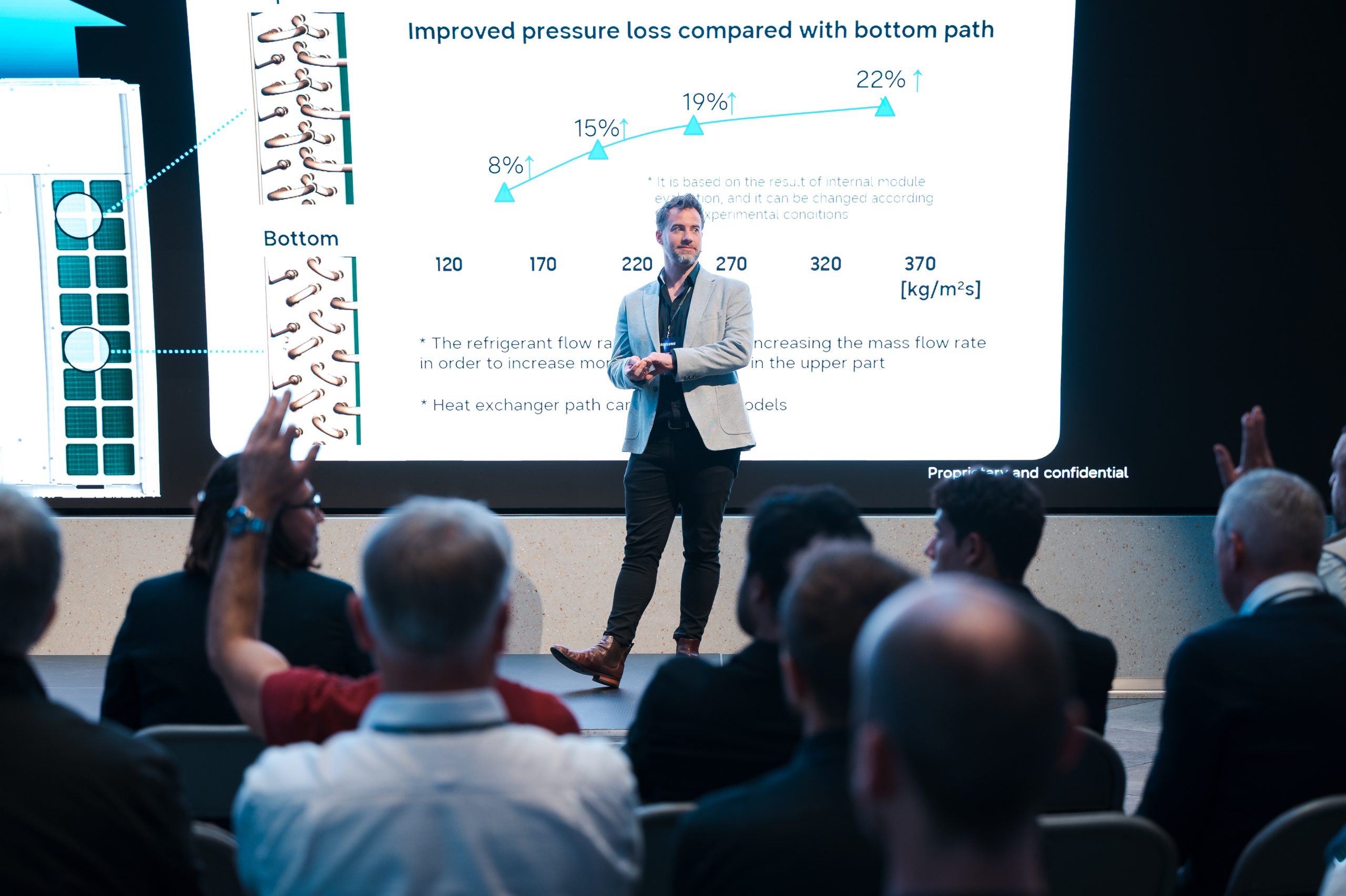
“We are also delivering more events. Greater value is being put on getting in front of the right people at the right time. Letting them speak directly to product experts and get in-person demonstrations from them. It is a clear differentiator when brands can generate limitless copy and desk-based marketing, getting a prospect’s physical attention has much more value.”
Housebuilding is cautious – decarbonisation and sustainability briefs rise
“In construction, private housing output remains subdued. As a result, marketing around housebuilding is very cautious, although there is some optimism that the Government’s housing ambitions and increased investment in social and affordable housing will help stimulate activity. For now, though, uncertainty remains.
“However, changing regulations are creating both risk and opportunity. Briefs are becoming more technical and educational, centring upon building safety, fire safety, competence, compliance and digital transformation, alongside established priorities around ESG, decarbonisation and sustainability.
As regulation becomes more complex and scrutiny of products and those specifying and installing them increases, there is greater value in content that helps customers and specifiers to understand what is changing and how to respond.
“This has created an opportunity for those in the construction supply chain to demonstrate expertise and innovation, rather than simply promote products. Technical guidance, research, educational content and evidence-led thought leadership is helping brands to build trust and position themselves as credible partners within an increasingly risk-conscious market.
“The commercial value of that credibility can extend well beyond an individual campaign. For manufacturers in particular, becoming a trusted source of technical expertise can support earlier engagement with specifiers, repeat specification and longer-term customer relationships. For contractors, consultants and other businesses across the supply chain, the same credibility can strengthen their position in procurement and framework opportunities. A critical outcome in a competitive market.”
Greater emphasis on social value – sharing good work in the press
“Demonstrating social value is also driving the number of briefs we’re seeing thanks to the Government’s PPN 002 and new 026 social value models. Andy Burnham has also announced plans to double the social value weighting for government contracts worth more than £5m, with bidders rewarded for things such as fair pay, employment, skills development and local economic benefits. Businesses running these successful social value initiatives are wanting to talk about them beyond tenders and share them with the media, and potential clients.
Built environment more resilient – but budgets are being chipped away
“Overall, the built environment benefits from some resilience due to its long project cycles. Major projects can take years to design, deliver and occupy, creating ongoing demand for products, services and expertise throughout the lifecycle. Economic uncertainty can delay or reshape projects, but it doesn’t necessarily remove that underlying demand.
“That said, prolonged uncertainty can chip away at confidence and is putting greater scrutiny on marketing budgets, particularly around discretionary spend later in the development cycle. But we’re also seeing the opposite effect: greater competition is making some businesses more conscious of the need to differentiate. When opportunities are harder won, maintaining visibility, demonstrating expertise and giving customers a clear reason to choose you becomes more, not less, important.”
If you have a construction marketing brief you’d like us to crunch, or an appetite to appeal to the trade media, get in touch and find out how the team at Eazier can help.